
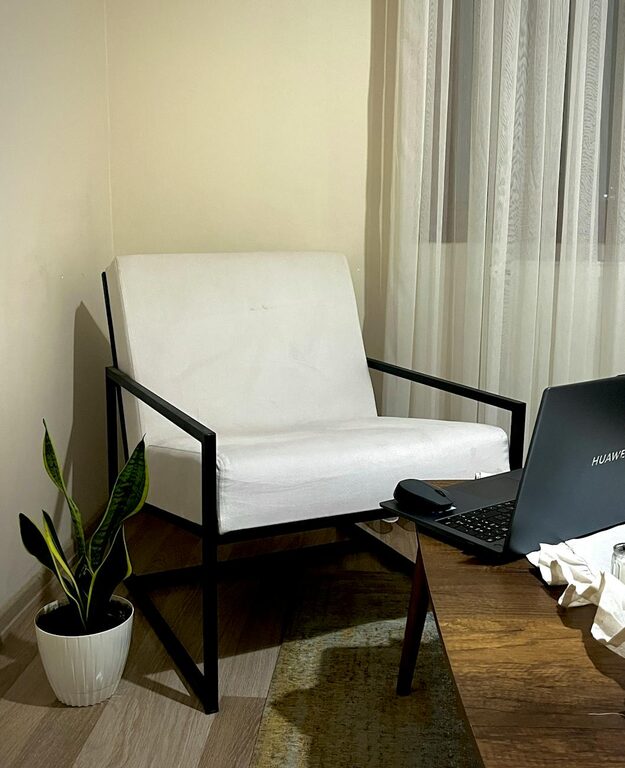
Taking a day off at home can be a perfect way to recharge your mind and body without the need to travel or spend a lot of money. However, a restful day off doesn’t just happen—you need to plan it thoughtfully to make the most out of your time. Whether you’ve had a hectic week or simply want to enjoy some quiet, this guide will help you plan a day that leaves you feeling refreshed and peaceful.
Why Plan a Restful Day Off?
Rest is essential for maintaining good mental and physical health. Without intentional downtime, stress can build up, leaving you feeling tired and overwhelmed. Planning a day off allows you to step back, slow down, and focus on activities that promote relaxation and wellbeing. It also helps prevent burnout and improves productivity when you return to your usual routine.
Step 1: Set the Date and Create Boundaries
Choose Your Day Wisely
Pick a day where you can truly disconnect from work and obligations. This might be a weekend day or a weekday you can take off without interruptions.
Inform Others
Let family, friends, or colleagues know that you’ll be unavailable. Setting clear boundaries helps minimize distractions like unexpected calls or visits.
Step 2: Prepare Your Space for Relaxation
Tidy Up Lightly
A clutter-free environment promotes calmness. Spend a few minutes organizing your main living areas, but avoid deep cleaning which can feel like a chore.
Create a Cozy Atmosphere
Enhance your space with soft lighting, scented candles, or fresh flowers. Comfortable pillows and blankets can also make a big difference.
Reduce Noise and Digital Distractions
Consider turning off notifications or using “Do Not Disturb” modes on your devices. You might also want to use noise-cancelling headphones or listen to gentle music or nature sounds.
Step 3: Plan Nourishing Meals and Hydration
Prepare Simple, Healthy Meals
Planning simple, nutritious foods in advance reduces stress around meal times. Think fresh salads, smoothies, homemade soups, or your favorite easy-to-make dishes.
Stay Hydrated
Keep water or herbal teas nearby. Hydration supports relaxation and overall wellbeing.
Avoid Overindulging in Caffeine or Sugar
While a comforting treat can be nice, too much caffeine or sugar might cause restlessness or energy crashes.
Step 4: Choose Relaxing Activities
Gentle Movement
Activities like yoga, stretching, or a slow walk in your garden can reduce tension and promote mindfulness.
Reading and Creative Hobbies
Spending time with a good book, drawing, knitting, or other hobbies can provide a sense of accomplishment and joy without stress.
Mindfulness and Meditation
Even a few minutes of meditation or deep breathing can help clear your mind and improve your mood.
Screen Time with Intention
If you enjoy watching movies or shows, select feel-good or calming content. Avoid overly stimulating or work-related media.
Step 5: Rest and Sleep Well
Take Short Naps if Needed
A 20-minute nap can refresh your energy without disturbing nighttime sleep.
Prioritize a Relaxing Evening Routine
Wind down with a warm bath, gentle stretches, or listening to calming music before bedtime.
Create a Sleep-Friendly Environment
Ensure your bedroom is cool, dark, and quiet to support a restful night’s sleep after your day off.
Additional Tips for a Successful Restful Day
– Avoid Planning Too Much: Keep your schedule light and flexible.
– Limit Social Media: Heavy use of social media can increase stress and distract from relaxation.
– Practice Gratitude: Reflect on small moments of joy throughout your day.
– Listen to Your Body: Pay attention to how you feel and adjust your activities accordingly.
In Summary
Planning a restful day off at home is all about creating space for relaxation and enjoyment that suits your personal needs. By setting boundaries, preparing your environment, nourishing your body, and choosing calming activities, you’ll make the most of your time and return to your routine feeling renewed. Give yourself permission to slow down—you deserve it!